Vancouver's FIFA-forced BC Sports Hall of Fame closure shows perils of hosting events like the World Cup
Published 4 months ago • 5 min read
Welcome back to Bucholtz Sports Media! This post is free for everyone thanks to our premium subscribers, who you can join here. Now, on to the piece...
BC Sports Hall of Fame closure adds to issues for World Cup host cities
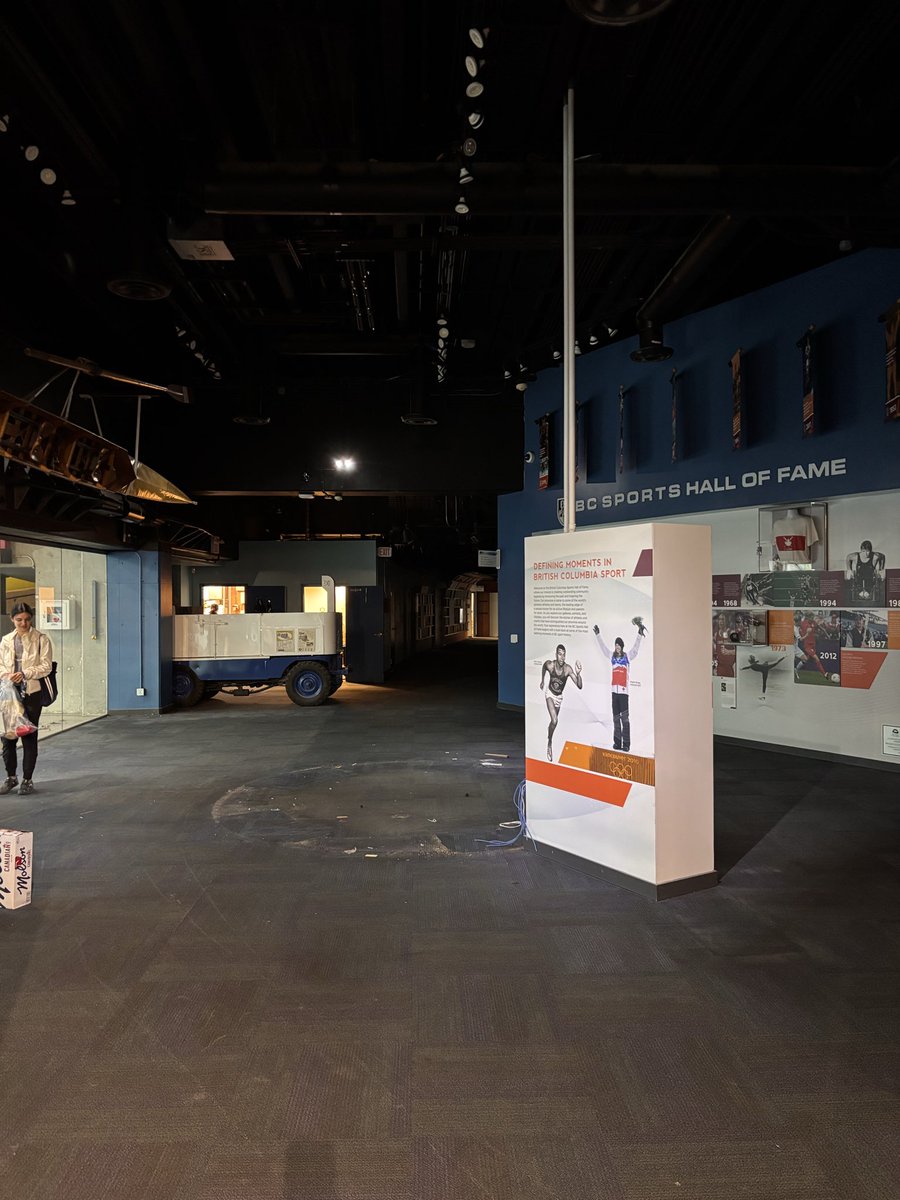
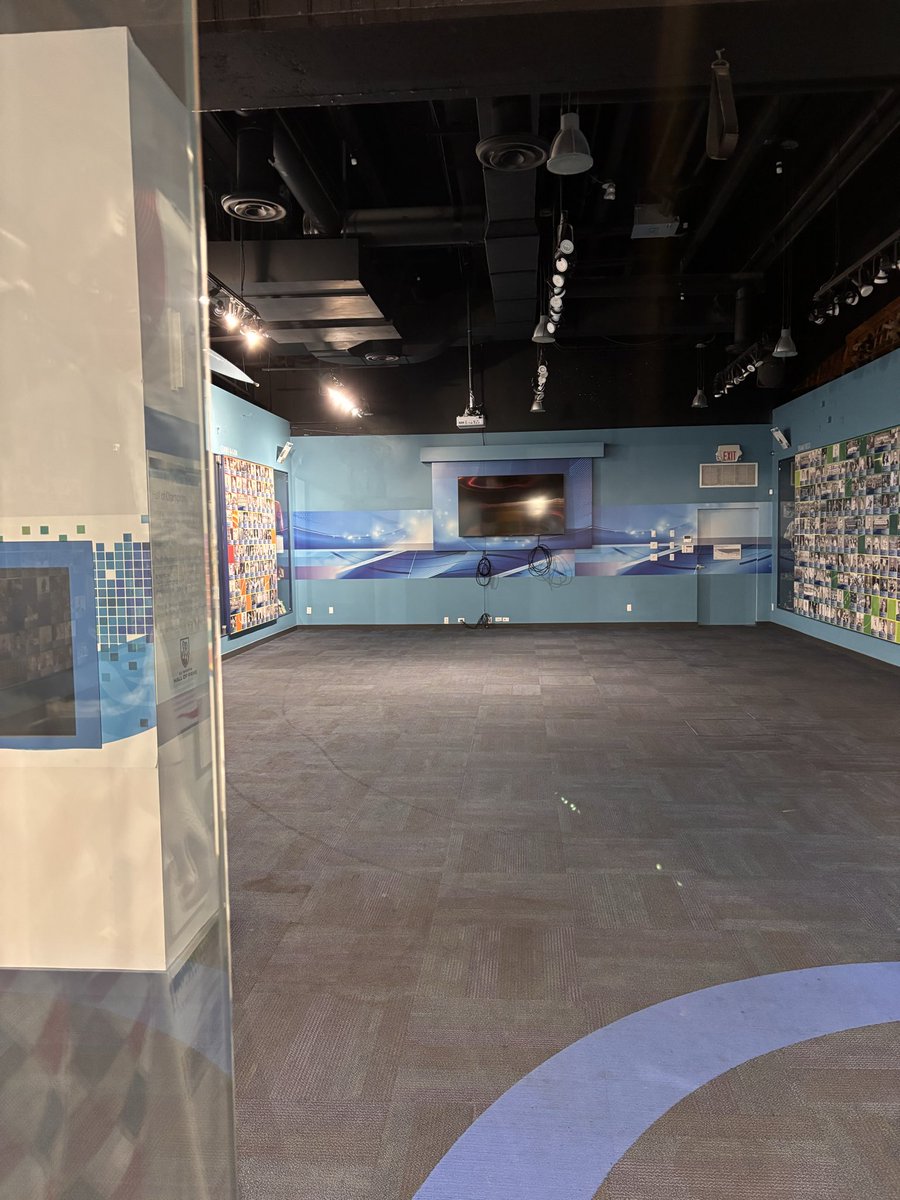
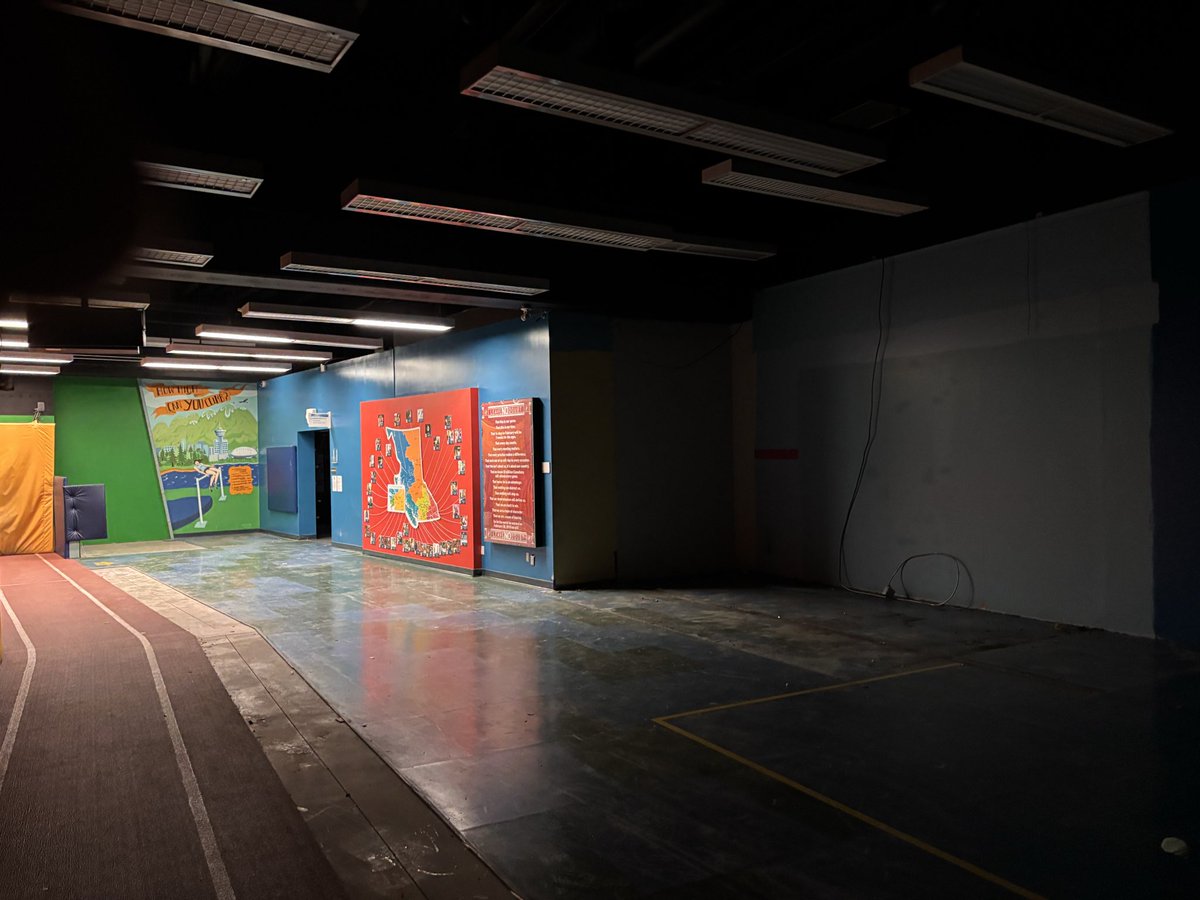
An image of the necessary moving of materials around the FIFA-forced temporary closure of the BC Sports Hall of Fame, from curator Jason Beck. (@JasonBeck82 on X.)
There's always an interesting discussion to be had about just how valuable hosting a sports event is for a city, and just what a city should be willing to give up to do so. Yes, there undisputedly are people who will travel for a sports event, especially a major one, and the influx of people going to a game (and in the case of big-enough events, even coming to the city for game-adjacent events without necessarily attending the big game itself) can be a tourism boon. But with big events in particular, that frequently includes handing over not just funds, but also significant other concessions to the organizations involved. And that can get particularly challenging when it's an event like the Olympics or the World Cup that involves multinational organizations such as the International Olympic Committee or FIFA, both of which have reputations for imperiousness at the least and many problematic elements beyond that. One recent small example of that with FIFA that illustrates a larger point comes in Vancouver, B.C., one of 16 cities across North America that will host the men's World Cup this summer.
There's been a lot going on in Vancouver before this week, of course. The bid to be a host for this event drew plenty of local pushback when it was launched, and that escalated when the city was selected as one of two Canadian cities (alongside Toronto) to host World Cup games. (While this tournament is billed as being hosted "across North America," 11 of the 16 host cities are in the U.S., with just two in Canada and three in Mexico, and the tournament will be fully in the U.S. from the quarterfinals on.) There have been more flashpoints for criticism since, including around the potential sale and relocation of the Vancouver Whitecaps, the local MLS side; while that's not specifically World Cup-linked, there has been discussion of the contrast between the governmental support for this one-off FIFA event and the local and provincial governments' lack of appetite for helping the various stadium plans the Whitecaps have put forward over the decades. And it definitely doesn't help the case for hosting this event that the early hotel room returns are incredibly underwhelming, something we'll discuss in more detail below.
Of course, FIFA hasn't helped themselves with various ridiculous demands. Those have included requesting a level of police escort for president Gianni Infantino that would be ahead of Canadian prime minister Mark Carney and on par with the Pope or the U.S. president. (Yes, it seems a little odd that a country is less worried about the security of their chief executive than a foreign one, but the lists of credible threats against the Pope or the U.S. president do seem likely to be longer. Despite how much many fans dislike FIFA and its leaders, though, Infantino doesn't seem all that likely to be in particular physical danger.) And the latest public relations own goal from FIFA came this weekend with a very callous forced relocation of the long-established B.C. Sports Hall of Fame out of their home at BC Place Stadium. On X, museum curator Jason Beck shone a light on not just the decision, but the clumsy way it was handled:
The closure of the museum is very much a FIFA decision. PavCo (the Crown corporation, or publicly-owned corporation, that runs BC Place) told Hanna Hett of The Daily Hive that this wasn't their call, and they've tried to support the museum with other efforts:
As of May 14, FIFA has full exclusivity over the stadium, according to an email from PavCo, the provincial Crown corporation that runs BC Place Stadium.
“All decisions around the stadium and access are theirs until the tournament is over in July,” said PavCo in an email to Daily Hive Urbanized.
...PavCo said that BC Sports Hall of Fame is a “valued partner.”
“We appreciate the acknowledgement they have given to BC Place as we’ve worked closely with them to provide support where we can,” they said.
The Crown corporation said they have waived rent for the museum in 2025 and 2026 to help it with ongoing financial challenges, and will provide it with several newly renovated spaces at no cost as part of the stadium upgrades.
This move has led to further negative media coverage for FIFA and for the World Cup plans in general, including from Global BC and The Breaker. And what really stands out is how unnecessary it seems. I can attest from firsthand experience covering countless events there how cavernous BC Place is; there's no way FIFA specifically needs the particular space where the BC Sports Hall of Fame resides. And letting it operate during this event (even with potential changes to hours or admissions around matches) would have been great for the museum, and would have been a value-add for visitors to town interested in the long sports history in that province and in that stadium (in its many incarnations over the years). But it appears it got pushed out just from FIFA's desire to control everything in and around the venues they're temporarily in charge of for this event. And that adds to the problematic reports we're seeing from other locales, including New York/New Jersey (which just announced the "bargain" of $98 round-trip transit tickets, or $20 bus tickets, both only available thanks to advertisers and state investment and only available at those discounted rates after incredible pressure) and Miami ($76-$151 for transit on matchdays).
There's undoubtedly always going to be some local friction with a big event. Some of that was seen here in New Orleans around the Super Bowl last year, with some NFL events taking over spaces normally used for other purposes, and with their accompanying security creating some hassles. But the general impact of that event seemed quite positive overall, and it certainly produced far more positive stories than anything involving FIFA or the IOC. Some of that's about cities like New Orleans being very used to hosting big events annually (and very eager to host those events, given tourism's importance to their bottom line), while some of that's about the NFL knowing to be quite careful with how far it pushes (there's a reason that the various NFL events, from the combine to the draft to the Super Bowl, generally are seen as positives for the host cities). But it certainly seems possible that a lighter touch from FIFA might produce a much more positive reaction in the cities it's relying on to host its events (and it's worth keeping in mind that FIFA constantly needs host countries and cities for its various events). At any rate, it might lead to fewer own goals than their current approach.
Bucholtz Sports Media 4123 S Prieur St, New Orleans, LA 70125 Unsubscribe · Preferences